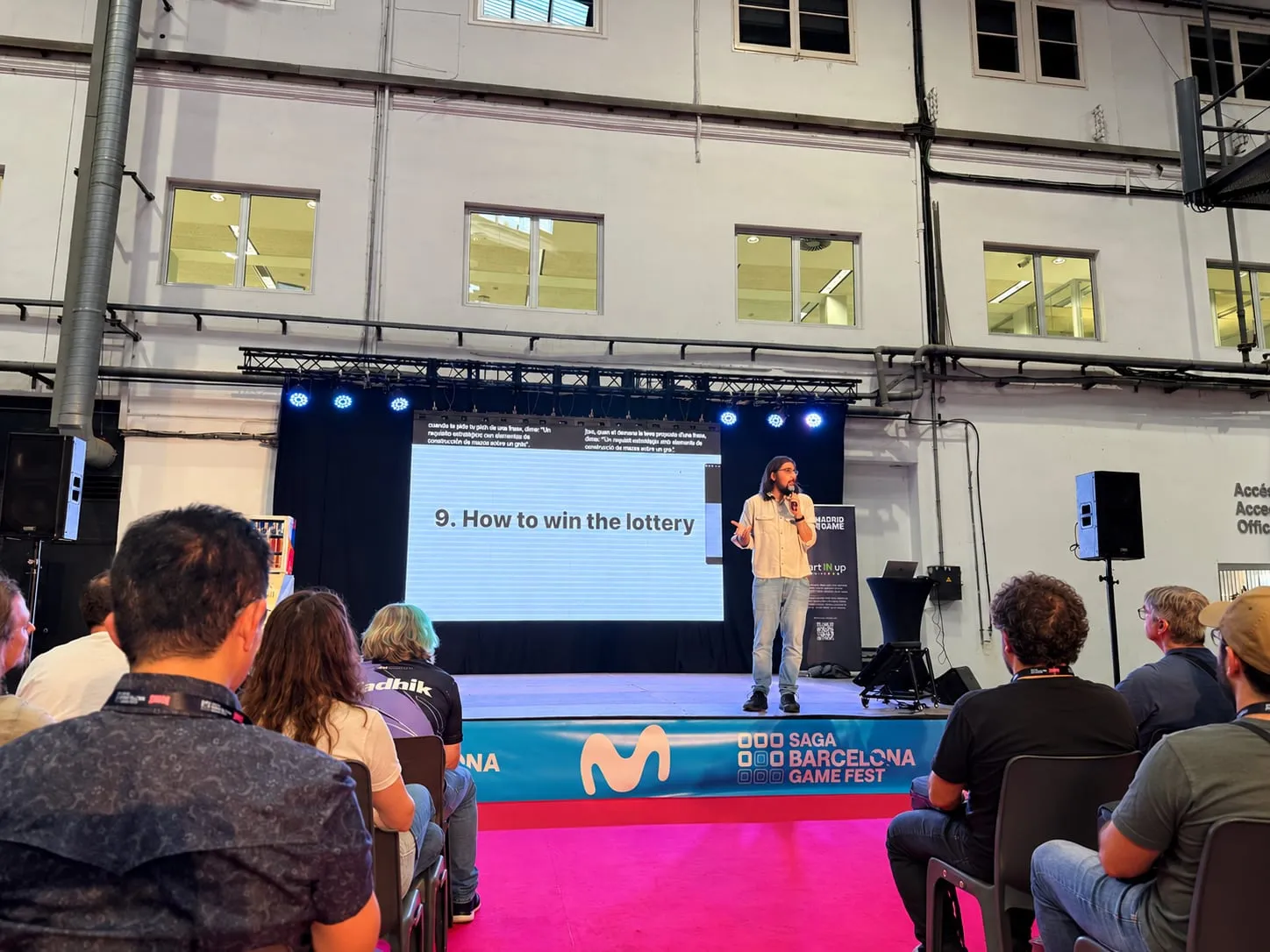
Guide
AI interpretation for institutions, foundations and associations: forums, assemblies and official events
Gatherings open to the public, conventions with delegations from several countries or the annual forum of a network of organisations: how to make sure everyone follows every speech, in their own language and in their own way.
A public body, a foundation or a professional association runs events for an audience more varied than almost any other: members, partner organisations, volunteers, experts from abroad and the general public, often in the same room. On top of that there is frequently more than one official language, and the need to explain afterwards what was done. This guide sets out how we approach it with Link3rs, with examples from real forums and conventions.
What makes these events different?
- A very diverse audience. People who come from other countries, from other organisations or straight in off the street, and who share neither a language nor the same needs.
- Several official languages. Spanish and Catalan in the same session, or the languages of each delegation.
- Accessibility as a starting point. An open event goes further when deaf and hard-of-hearing people can follow it too, along with anyone who reads better in a different typeface.
- Accountability. Once it’s over, you have to report what was said and whom it reached.
How do you follow a convention with voices from many countries?
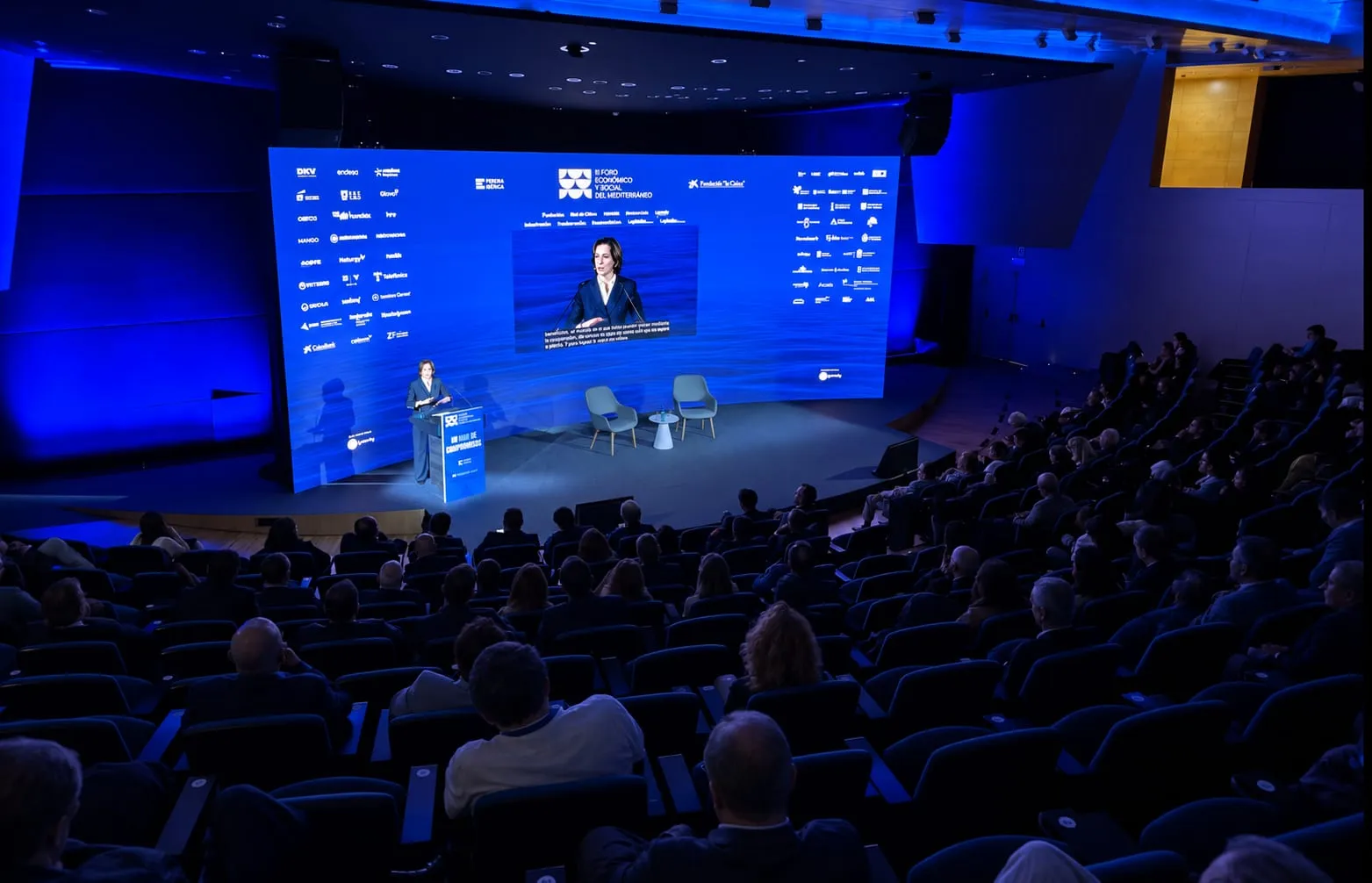
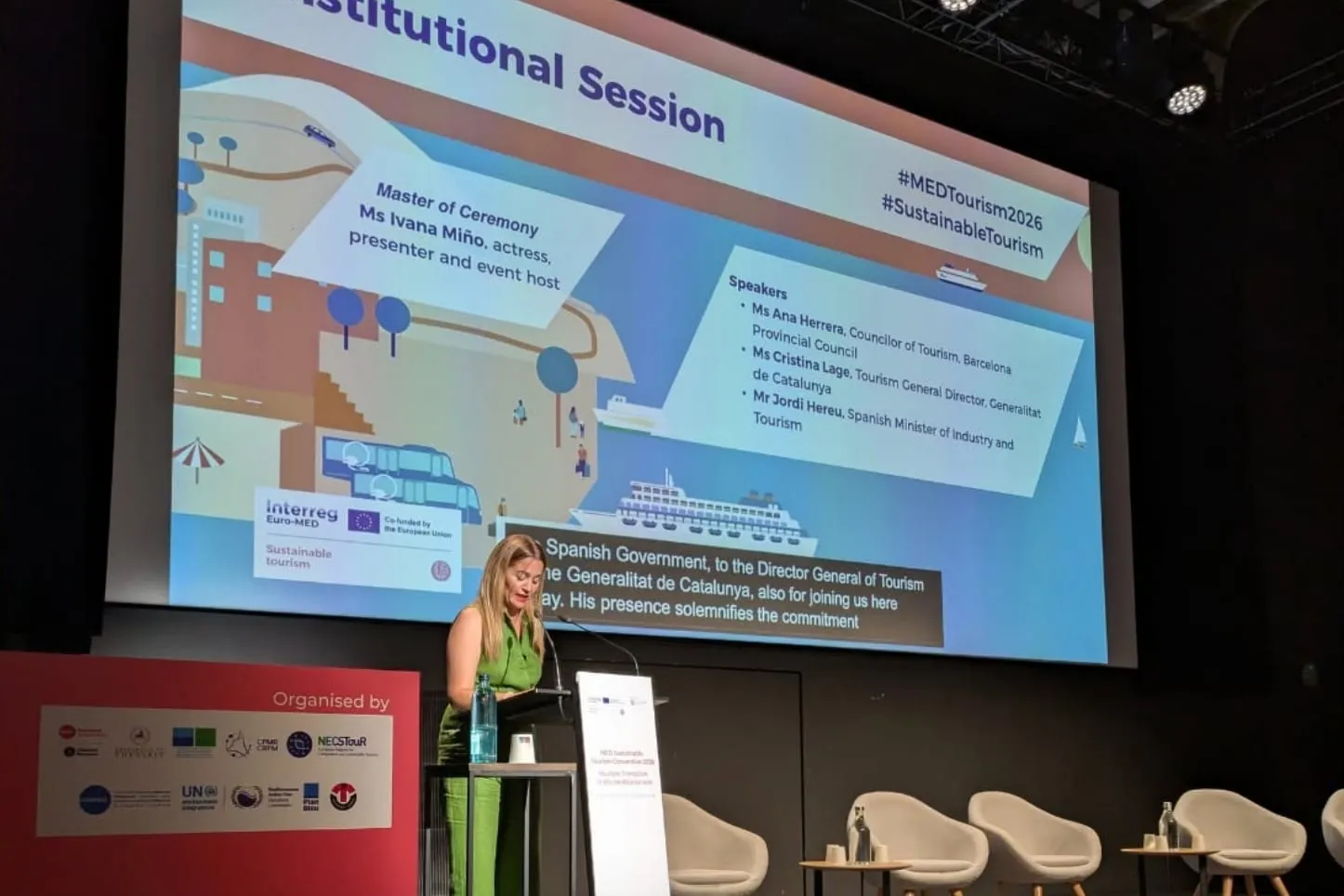
On the room’s screens, with Captions. The Mediterranean Sustainable Tourism Convention 2026, organised by the Diputació de Barcelona as part of the European Interreg Euro-MED programme, brought public administrations, research centres and people from the tourism sector across the Mediterranean basin and the rest of Europe to the CCCB. There, Captions wrote each speech out live above the stage, on top of the slides; in the cover, from its institutional session, it can be read in English.
And when each delegation needs its own language, Speech adds the phone: more than 60 languages are available, so there is no need to know in advance how many each delegation will bring.
And if the event is open to all citizens?
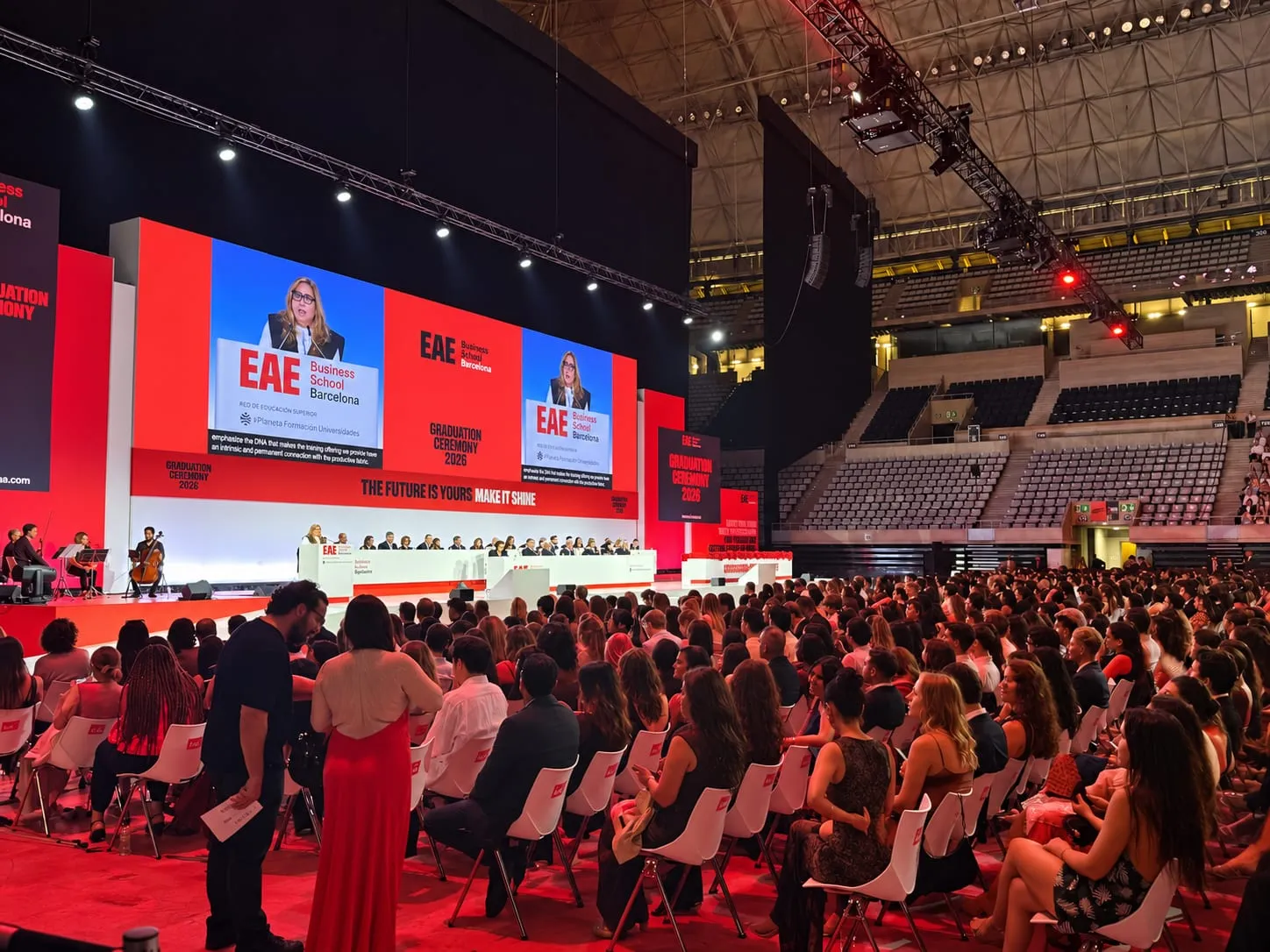
Then it is best if nobody has to do anything to understand it. The Encuentro Internacional por los Derechos Digitales, promoted by the Spanish Government together with Mobile World Capital Barcelona at the Llotja de Mar, was not aimed at specialists alone. Captions put the subtitles on the side screens, next to each speaker, and the whole room could read what was said as it happened.
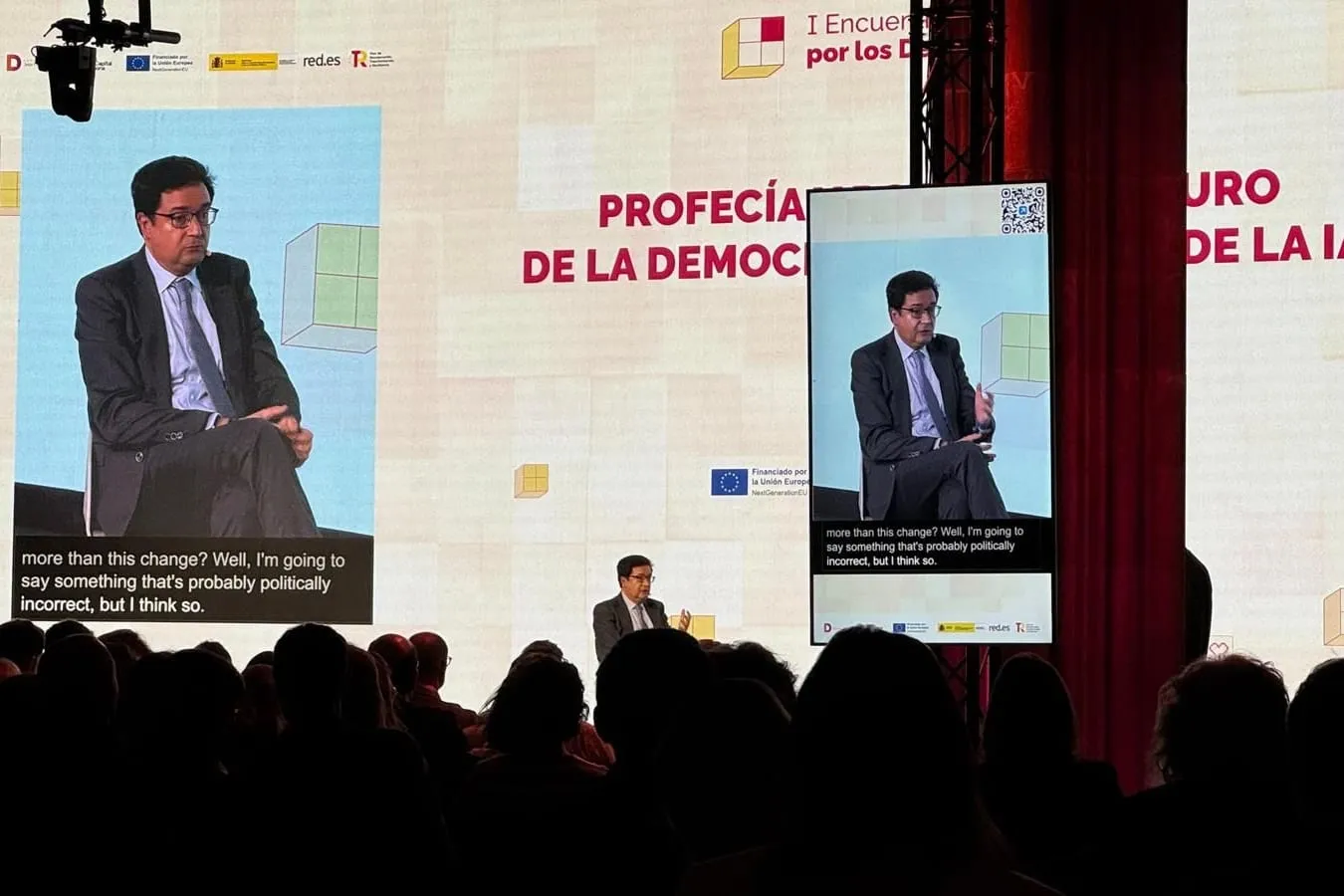
Deaf and hard-of-hearing people read on screen what is being said, just like anyone following the event in a language that isn’t their own. On their phones, each person can also make the letters bigger, turn up the contrast or choose a font designed for readers with dyslexia.
And when the room has two official languages?
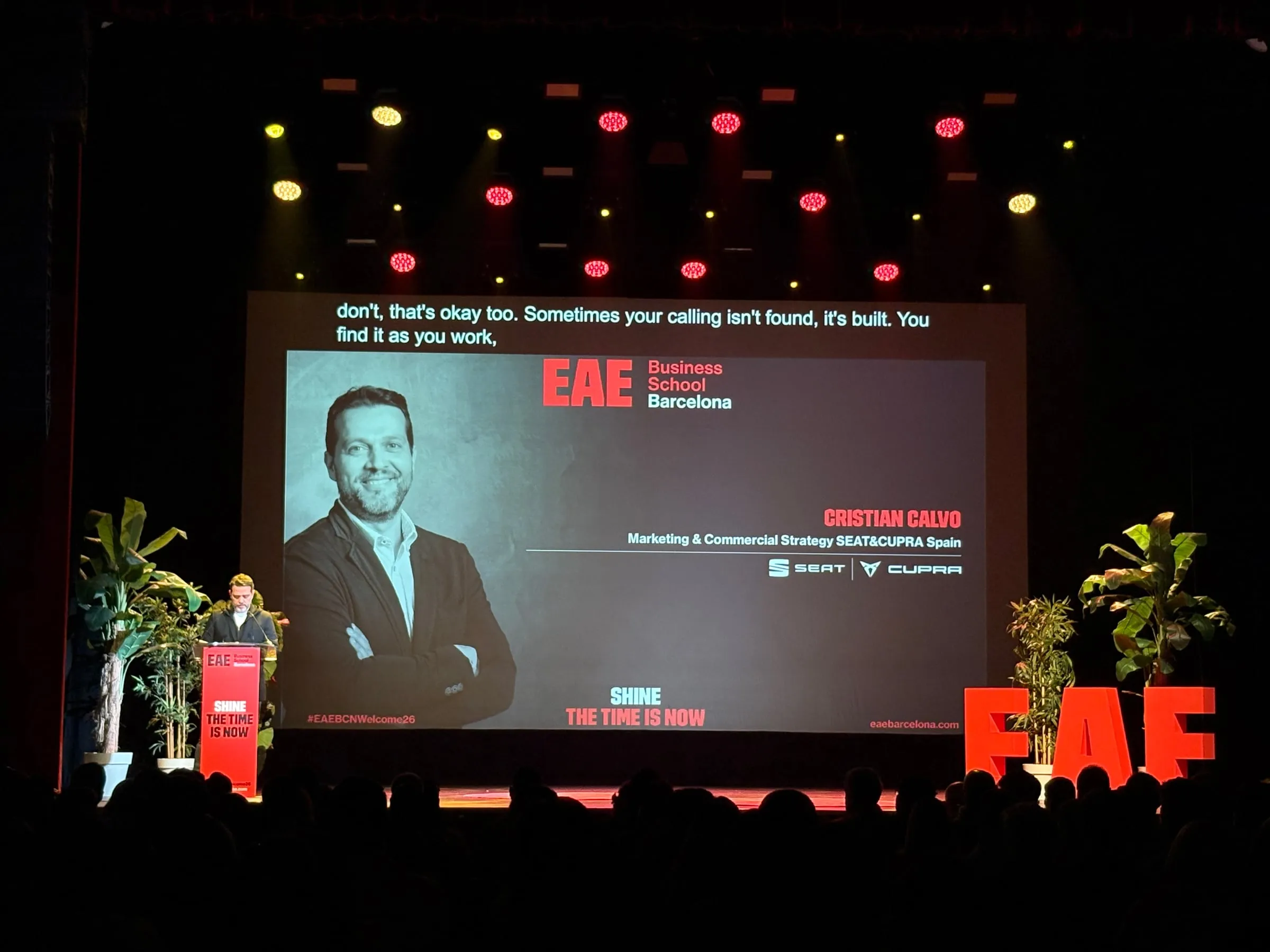
Both can be shown at once. At DEMOS 2026, the forum of the Asociación Española de Fundaciones and the Coordinadora Catalana de Fundacions, the screen in the CosmoCaixa auditorium carried two strips at the top: one in Spanish and one in Catalan. While the joint declaration defending the European Social Fund was being presented, for example, each sentence in Spanish appeared at the same time translated into Catalan in the neighbouring strip, and both were handled with Backstage from a laptop set up in the auditorium itself.
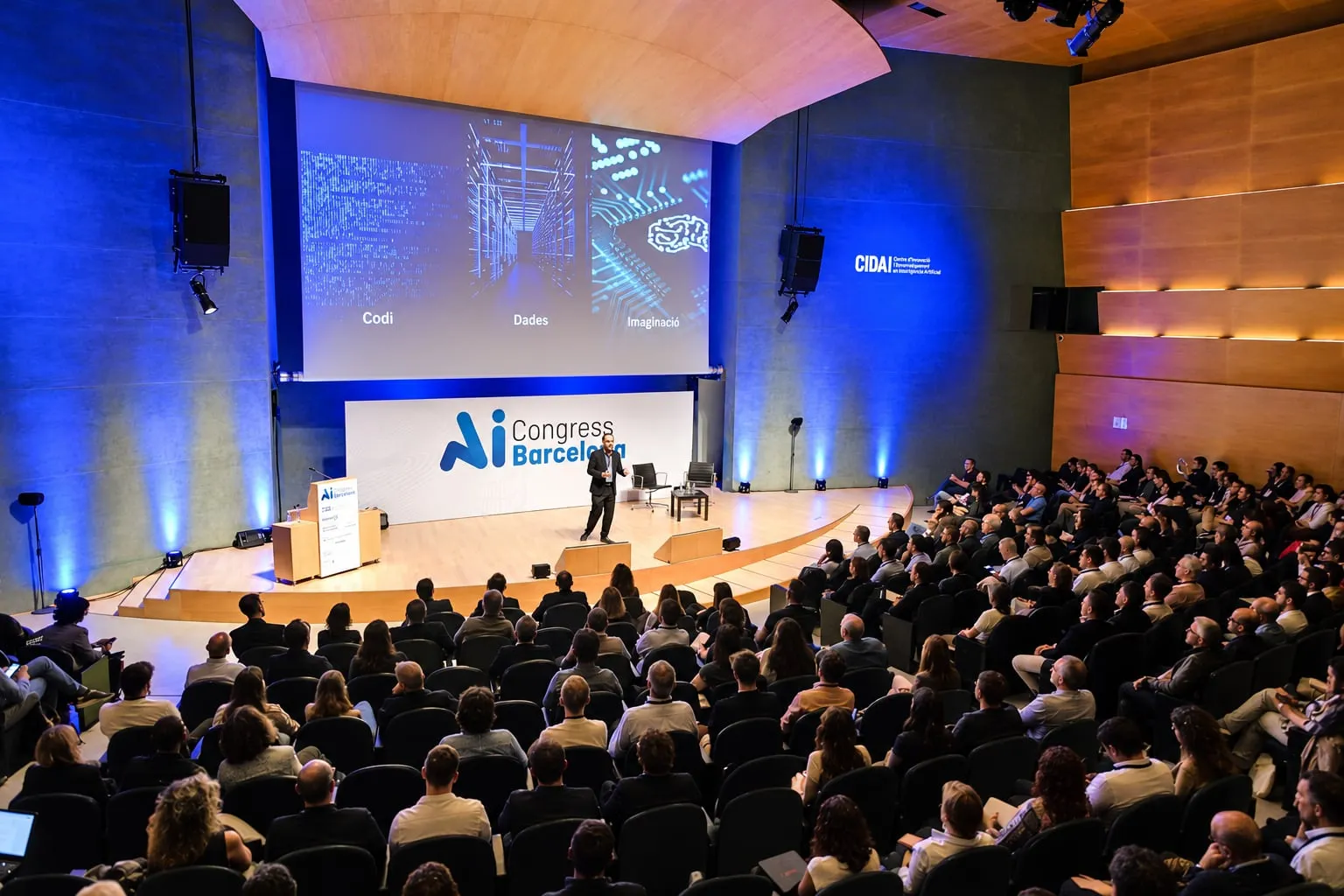
Something similar happened at Barcelona Activa’s technical congress on career guidance, at the Disseny Hub: during one of its round tables, the Catalan captions filled the lower band of the auditorium screen, beneath the slides. A single microphone and one operator are enough to bring up to four languages to the screen, each in its own strip.
How are names and titles respected?
At an official event, protocol matters: authorities, organisations and titles have to appear exactly as they are. Before the event, the programme, the list of speakers and the presentations are loaded into Knowledge, and each talk gets its own glossary. That way the captions, the interpretation and the later summary all get them right.
What is left for the activity report?
When it ends, Backstage splits the event into speeches and prepares chapters, summaries and pieces ready to publish. No quote goes out without being verified in the transcript, which is essential when an authority has spoken. And a delivery certificate breaks down, channel by channel and language by language, the share delivered, the share lost and the pauses that were intentional: a document that fits neatly into the project report.
What should you prepare?
- The languages: the official ones of the event and the ones the audience will speak.
- Protocol: names and titles of authorities and speakers, written as they should appear.
- The open sessions: which ones should have captions on screen.
- The QR code: in the programme, on the badges and on the screen, before each session starts.
- What you’ll need afterwards: summaries, verified quotes or the certificate for the report.
- Who runs it: your team from Backstage or, if you’d rather not deal with it, the Link3rs team.
Read next: After the event: how to make the most of everything that was said and How to make your event more accessible with live text.
If your event is a congress with several rooms, our simultaneous translation for conferences page walks through it step by step. And if you already have a date, tell us about your forum or assembly.